Insights & Inspiration for a Harmonious Life
Dive into our collection of articles, guides, and resources designed to enrich your yoga practice, deepen your mindfulness, and support your overall well-being journey.

Our Latest Insights
No blog posts found matching your criteria.
Deep Dive into Yoga Philosophy
Understanding the Eight Limbs of Yoga: Patanjali's Path to Enlightenment
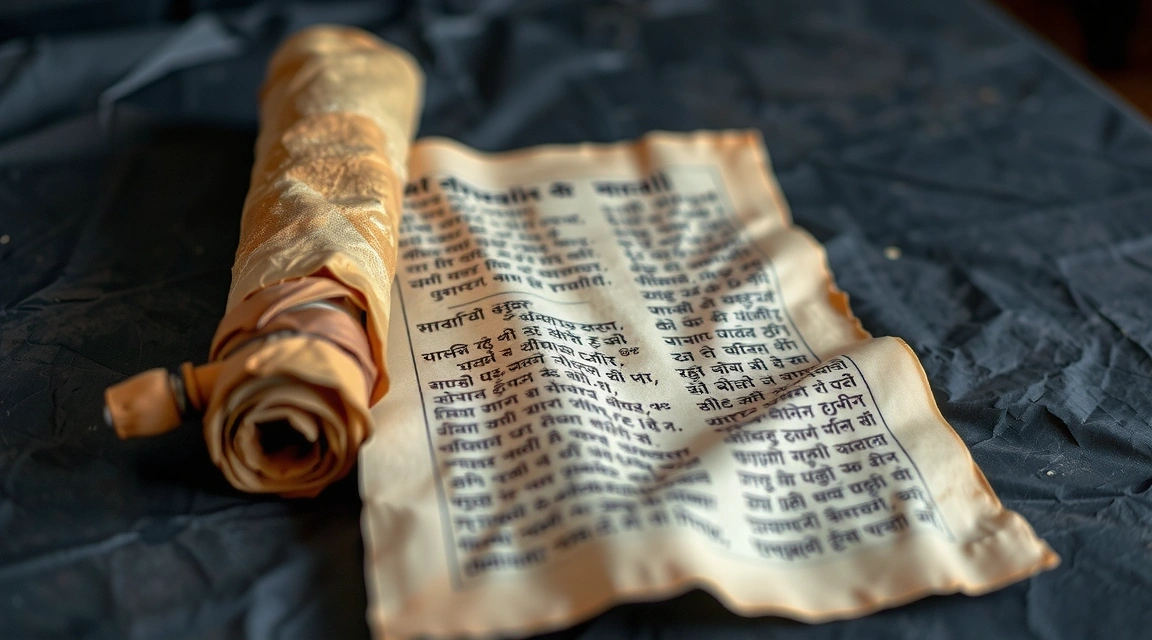
Yoga is far more than just physical postures; it's a comprehensive philosophy for living a meaningful and purposeful life. Rooted in ancient Indian traditions, the foundational text for classical yoga, the Yoga Sutras of Patanjali, outlines an eight-fold path known as Ashtanga Yoga. This path provides a systematic approach to self-realization and inner peace, guiding practitioners through ethical principles, physical discipline, mental control, and spiritual contemplation. Understanding these eight limbs can profoundly deepen your practice and transform your perception of the world.
The Eight Limbs: A Holistic Framework
Each limb builds upon the previous one, creating a progressive journey towards holistic well-being. They are not necessarily sequential steps to be mastered one after the other, but rather interconnected aspects that can be cultivated simultaneously. Let's briefly explore each limb and its significance in the yogic journey.
-
1
Yamas (Ethical Restraints): These are universal moral commandments, guiding our interactions with others and the world. They include Ahimsa (non-violence), Satya (truthfulness), Asteya (non-stealing), Brahmacharya (continence/right use of energy), and Aparigraha (non-possessiveness). Cultivating these helps purify our intentions and actions.
-
2
Niyamas (Personal Observances): These are self-discipline and spiritual observances that apply to oneself. Saucha (purity), Santosha (contentment), Tapas (austere self-discipline), Svadhyaya (self-study/study of sacred texts), and Ishvara Pranidhana (surrender to a higher power) foster inner growth and self-awareness.
-
3
Asana (Physical Postures): More than just exercise, Asanas are designed to prepare the body for meditation, making it strong, flexible, and comfortable. They help release tension, improve circulation, and balance the nervous system, allowing energy to flow freely.
-
4
Pranayama (Breath Control): This limb focuses on regulating the breath to control prana, the vital life force. Through various breathing techniques, practitioners can calm the mind, increase energy, and prepare for deeper meditative states.
-
5
Pratyahara (Withdrawal of the Senses): This involves turning the awareness inward, detaching from external sensory distractions. It's about consciously drawing the senses away from their objects, leading to a state of inner quietude.
-
6
Dharana (Concentration): The practice of focusing the mind on a single point, object, or idea. This steady attention helps to stabilize the mind and prevent it from wandering, a crucial step towards meditation.
-
7
Dhyana (Meditation): This is the uninterrupted flow of concentration, where the mind remains absorbed in the object of focus without effort. It's a state of deep contemplation and inner awareness.
-
8
Samadhi (Enlightenment/Absorption): The ultimate goal of yoga, a state of profound absorption where the meditator merges with the object of meditation. It is a state of superconsciousness, bliss, and unity, transcending individual consciousness.
By integrating these eight limbs into your life, you can cultivate a deeper understanding of yourself and your connection to the world, leading to a more harmonious, peaceful, and fulfilling existence. At Harmony Yoga Studio, we encourage exploring all aspects of this ancient wisdom.